
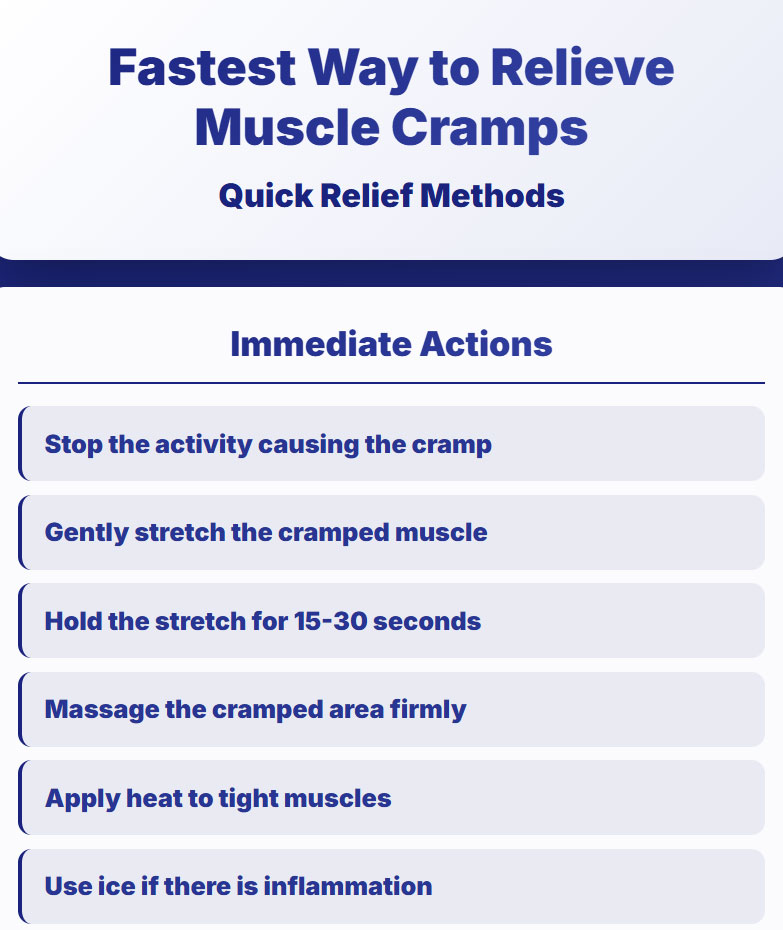
Fastest way to relieve muscle cramps starts with quick, deliberate action stop any movement and gently stretch the tight muscle until the pain eases. These spasms, sudden and involuntary, often come from dehydration, fatigue, or electrolyte imbalance. Applying warmth or alternating heat and cold relaxes fibres and restores circulation. In advanced physiotherapy, TENS (Transcutaneous Electrical Nerve Stimulation) and EMS (Electrical Muscle Stimulation) offer the most rapid relief by sending controlled electrical pulses that calm nerves and loosen tension. Compared with pills or topical gels, they provide faster recovery and help prevent recurrence. Regular hydration, magnesium‑ and potassium‑rich foods strengthen muscle coordination and reduce nighttime cramping. Understanding how these modern electro‑techniques combine with simple stretching and nutrition helps patients turn a painful spasm into a short, manageable event . making daily motion smooth and carefree again.
WHAT WILL YOU READ…
Biochemical Mechanism of Muscle Spasm
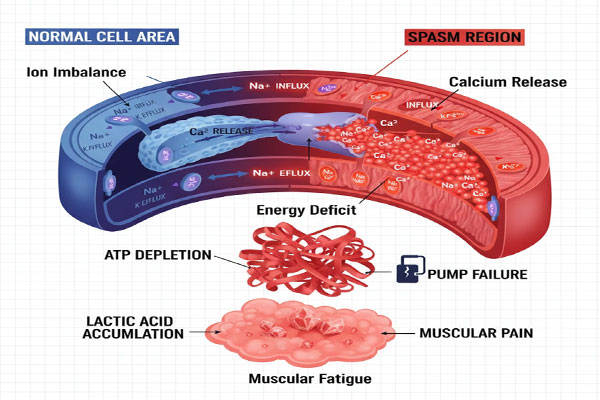
Muscle spasm is not just a random contraction it’s a complex biochemical reaction that unfolds deep within muscle fibres. When nerve impulses misfire due to electrolyte imbalance, dehydration, or local inflammation, calcium ions flood the muscle cell, forcing actin and myosin filaments to clamp and refuse relaxation. This ionic surge activates ATP depletion, meaning the cell lacks energy to detach these filaments, locking the muscle painfully in place. The excessive release of acetylcholine at the neuromuscular junction further overstimulates contraction signals. Metabolic waste especially lactic acid and reactive oxygen species.intensifies local ischemia and pain. Recovery begins only when calcium is pumped back out and ATP production resumes. Understanding this biochemical cascade allows physiotherapists and clinicians to design faster interventions like electrotherapy (TENS or EMS).that restore normal ionic balance and break the cramp‑pain cycle efficiently.
Difference Between Acute and Chronic Spasm
Acute and chronic muscle spasms may feel similar, yet their underlying dynamics diverge sharply. An acute spasm occurs suddenly often triggered by dehydration, strenuous activity, or electrolyte imbalance.and usually resolves within minutes to hours after rest, stretching, or gentle physiotherapy. It is primarily neuromuscular, reflecting temporary ionic instability. In contrast, a chronic spasm develops progressively over weeks or months due to sustained postural stress, disc pathology, myofascial trigger points, or neurological disorders. This persistent contraction leads to impaired blood flow, collagen stiffening, and low‑grade inflammation inside the muscle tissue. Regular episodes can reshape muscle memory and alter spinal alignment. Clinicians therefore treat chronic forms using targeted therapies like dry needling, ultrasound, and TENS/EMS stimulation, combining them with posture correction and vitamin replenishment to restore long‑term biomechanical harmony.
| Aspect | Acute Spasm | Chronic Spasm |
|---|---|---|
| Onset | Sudden, brief episode. | Gradual, long‑term tension. |
| Pain | Sharp and short. | Deep and recurring. |
| Causes | Dehydration, fatigue, cold. | Posture, disc issues, nerve stress. |
| Muscle Reaction | Quick ionic overload. | Fibrotic, low blood flow. |
| Treatment | Stretching, heat, short TENS. | Physiotherapy, dry needling, TENS/EMS plan. |
Causes of Muscle Cramp
Muscle cramp is not just a random tightening of a fibre . it’s a complex neuro‑muscular response triggered by internal and external factors. Dehydration, electrolyte imbalance, magnesium loss, and sedentary lifestyle together create the perfect environment for spasms. When muscle cells lose proper sodium‑potassium balance, electrical impulses misfire, and contractions lock. Long working hours, cold exposure, or sudden heavy exercise amplify this risk. Stress hormones also deplete ATP and disturb calcium channels inside the sarcoplasmic network. According to clinical physiotherapists, recurrent cramps are often early signs of systemic fatigue or circulation issues. Identifying triggers such as poor hydration or medication side effects helps tailor prevention plans. For long‑term care, combining nutritional correction, posture training, and TENS electro‑therapy significantly reduces muscle irritability and strengthens recovery pathways.
Dehydration and Electrolyte Disorder
Dehydration remains one of the fastest pathways to painful muscle cramp. When body fluids drop, sodium, potassium, and magnesium levels shift, blocking proper nerve conduction. Even mild dehydration after intense workouts can force muscle fibres to contract involuntarily. Clinical observations confirm that low electrolyte plasma concentration directly reduces neuromuscular control. Sweating without fluid replacement intensifies lactic acid build‑up and cramps emerge within minutes. The safest prevention is balanced hydration: alternating water and isotonic drinks helps restore ionic flow essential for muscle release. In physiotherapy settings, controlled hydration protocols combined with short TENS sessions successfully reset muscle tone. For individuals under heat stress or high exercise load, monitoring body weight loss and urine colour is crucial. Hydration therapy is not just basic care; it’s central to biochemical stability and functional performance.
Statin Drugs and Their Impact on Muscles
Statin medications, widely used for cholesterol control, can paradoxically trigger or worsen muscle cramps. They interfere with mitochondrial energy production by lowering coenzyme Q10, vital for ATP synthesis. This reduction weakens muscle fibres and increases sensitivity to stress signals. Studies in sports medicine and neurology have revealed that patients on moderate to high doses often report recurring night‑time spasms. The issue is not toxicity but energy depletion . a subtle yet measurable biochemical stress. Physiatrists recommend monitoring muscle pain and creatine‑kinase levels regularly. For those experiencing statin‑related cramps, dosage adjustment or CoQ10 supplementation is advised. Integration of gentle physiotherapy and electro‑stimulation (TENS / EMS) restores normal fibre conductivity and alleviates chronic tightness. Understanding statin‑induced muscle reaction allows physicians to protect cardiovascular benefit without compromising neuromuscular health.
Quick home remedies for pain relief
- Gentle muscle stretching
- Light massage of the area
- Warm or cold compress
- Drink water or electrolytes
- Take magnesium or potassium
- Warm shower or Epsom salt bath
- Relax the muscle position
- Deep breathing to reduce tension
- Use a small home TENS device
- Short rest, avoid intense activity
Advanced Treatment
Modern physiotherapy has moved beyond mere manual techniques, introducing TENS and EMS devices as advanced tools for rapid muscle recovery and pain relief. These systems use gentle electrical pulses that reach deep into tissue layers, improving circulation and soothing spasms without medication. Clinically proven in post‑injury rehabilitation, both devices shorten recovery time by restoring normal neuromuscular rhythm. For professionals and clinic owners, this technology offers measurable outcomes and patient satisfaction. The TENS Pro 9000, priced around 31 500 000 Toman, represents a benchmark for precision electrical therapy, combining adjustable waveform control and smart electrode mapping. In modern practice standards, the integration of TENS and EMS is now considered a cornerstone approach for rapid relief from chronic muscle cramps.
How Electrical Stimulation Works
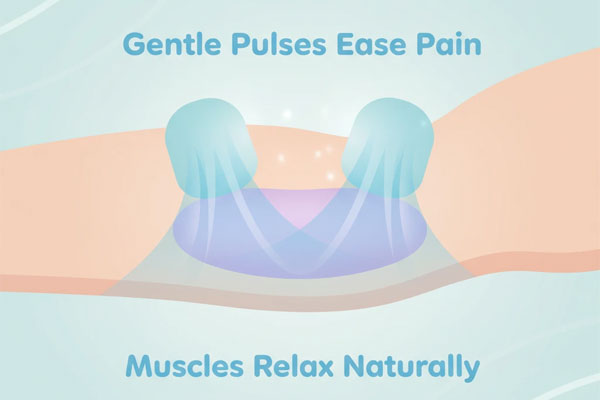
Electrical stimulation works through controlled impulses that mimic the body’s natural nerve signals. When electrodes are placed on the skin, they send micro‑currents into the underlying muscle, prompting contraction and relaxation cycles that boost oxygen and nutrient delivery. In TENS therapy, sensory nerves are targeted to block pain transmission to the brain, reducing discomfort almost instantly. EMS therapy, on the other hand, focuses on muscle fiber activation to improve strength and endurance. The process helps reset the body’s neuromuscular coordination, making it ideal for athletes and physiotherapy patients alike. Clinical studies highlight how precise frequency adjustments.usually between 2 Hz and 150 Hz.can tailor therapy outcomes. This engineered signal model restores natural function safely and efficiently, forming the backbone of smart pain management protocols in modern clinics.
Technical Specifications and Safety Features
High‑grade TENS and EMS devices are defined by accuracy, waveform control, and patient safety. The theoretical model TENS Pro 9000 features dual‑channel output, touch‑sensitive interface, and adjustable pulse width from 50 μs to 400 μs. Voltage modulation ensures consistent current flow even when skin resistance changes. Safety systems include electrode polarity sensors, automatic shut‑off mechanisms, and temperature protection circuits that prevent overexposure. The casing is made from medical‑grade ABS material with anti‑shock insulation, while accessories comply with ISO 13485 standards. These specifications guarantee stable therapy sessions whether used in clinics or home care setups. Surge protection, software‑calibrated signal balance, and ergonomic electrode pads minimize user risk. Physicians rely on this engineered precision not just for performance but for long‑term patient trust and device safety certification under CE‑2025 directives.
| Feature | TENS Pro 9000 | Standard TENS Model |
|---|---|---|
| Depth of Therapy | Deep muscle & nerve | Surface‑level only |
| Pulse Range | 50 – 400 μs adjustable | Fixed around 200 μs |
| Safety System | Auto shut‑off + temp guard | Basic protection |
| Control Panel | Touch display with metrics | Manual knob |
| Frequency Range | 2 – 150 Hz variable | Up to 100 Hz |
| Material | Medical‑grade ABS, CE‑2025 | Basic plastic |
| Price (approx.) | 31 500 000 Toman | 9 000 000 Toman |
| Use Case | Clinics & rehab | Home pain relief |
| Advantage | Smart waveform mapping | Basic pain blocking |
Prevention
Preventing muscle cramps starts with maintaining proper hydration, balanced nutrition, and consistent physical conditioning. In Canadian clinics, experts emphasize stretching before and after exercise to preserve muscle flexibility and reduce sudden spasms. Simple daily habits such as staying active, avoiding long periods of sitting, and keeping body temperature neutral can significantly lower the risk. Physiotherapists also recommend alternating rest and movement cycles especially for desk workers to optimize circulation and oxygen delivery. Having regular massage or using home TENS therapy can enhance prevention results by keeping neuromuscular communication smooth. The philosophy of modern prevention blends science with lifestyle balance: a steady intake of water, micronutrients, and muscle‑friendly posture ensure long‑term protection against cramps. Prevention acts not only as a physical safeguard but as a strategic step toward sustainable muscle health.
Role of Magnesium, Potassium, and Vitamins B and D
Micronutrients such as magnesium, potassium, and vitamins B and D play a vital role in muscle function and cramp prevention. Magnesium regulates nerve conduction and smooth muscle relaxation, while potassium maintains intracellular electrolyte balance for proper contraction rhythm. Vitamins B and D contribute to energy metabolism and calcium absorption—core factors for muscle resilience. Canadian health professionals often mention these nutrients as first‑line dietary defense against chronic cramps, especially in athletes and older adults. Insufficient levels may trigger spontaneous spasms, fatigue, or slower recovery after exertion. Consuming foods like leafy greens, avocados, fish, and fortified dairy delivers natural sources of these micronutrients. Combining a balanced diet with physiotherapy aids, including modern EMS support, builds a preventive foundation. The synergy between biological nutrition and electrical stimulation defines next‑generation muscle care.
Correct Posture and Proper Movement
Maintaining correct posture and learning proper movement techniques are key to avoiding recurrent muscle cramps or strain injuries. Poor alignment restricts blood flow and adds stress to specific muscle groups, often causing tension build‑up that leads to spasms. Canadian physiotherapists teach ergonomic positioning.especially for prolonged desk work or sports training.to preserve muscle elasticity and joint stability. Adjusting chair height, monitor placement, and foot balance can transform physical workload distribution. Proper movement during exercise, like gradual warm‑up and controlled stretching, strengthens coordination and nerve feedback. Clinics such as Ofogh e Roshan Physiotherapy highlight posture correction programs combined with EMS therapy as part of advanced rehabilitation care. Correct posture is more than aesthetic; it’s biomechanical prevention ensuring every motion supports muscular health, stability, and lasting comfort during daily activity.
FAQ
What is the mechanism for instantaneous cramp relief achieved via targeted electrical stimulation or dry needling?
Immediate relief occurs through the activation of Aβ fibers, which stimulate inhibitory Renshaw Cells in the spinal cord. This rapidly inhibits the alpha motor neuron pool, centrally interrupting the pathological feedback loop that perpetuates the cramp
What is the fastest-acting, non-oral neuro-inhibitory agent used clinically to suppress spinal motor neuron hyperexcitability in acute cramps?
Midazolam or IV benzodiazepines. They potentiate GABA’s effect on the GABA-A receptor, increasing chloride influx. This leads to profound and rapid hyperpolarization of the alpha motor neurons, effectively halting their uncontrolled firing.
What is the specialized mechanism by which high-concentration topical Menthol provides near-instantaneous localized cramp relief, distinguishing it from simple cooling?
Menthol acts as a selective agonist for the TRPM8 channel. This activation generates a strong counter-irritant signal that disrupts the cramp’s nociceptive signals. It may also induce local vasodilation, addressing the component of ischemia.